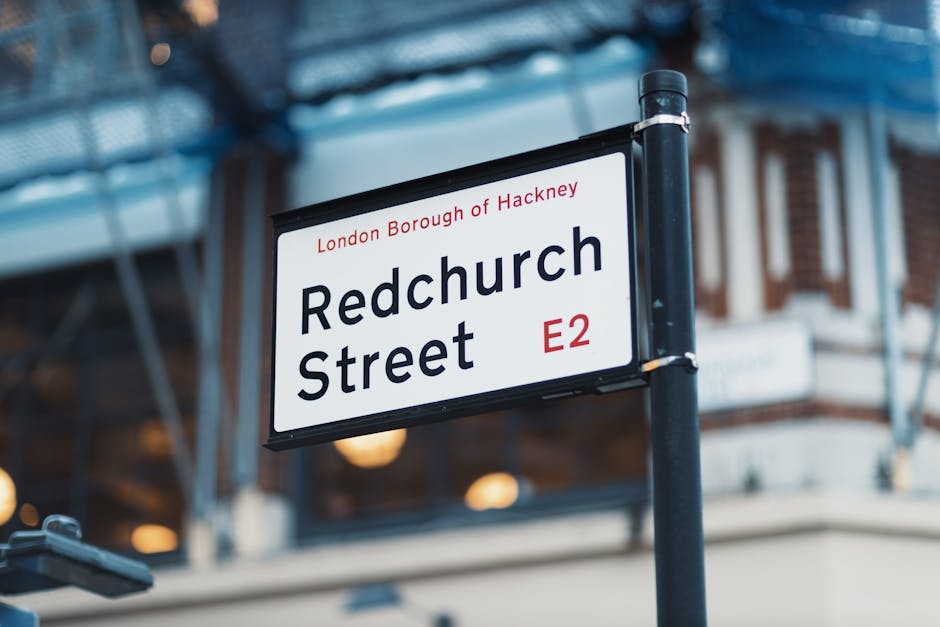
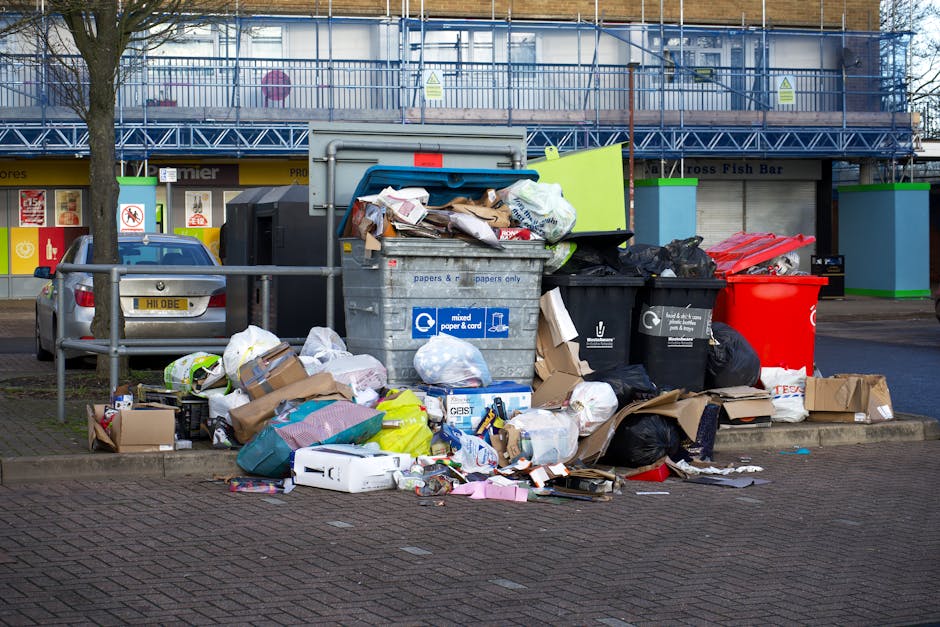
Rubbish collection Hackney Central near London Fields: a practical guide for homes, flats, and businesses
If you are searching for Rubbish collection Hackney Central near London Fields, chances are you want something simple: the waste gone, the space back, and no hassle with bags, bulky items, or awkward access. Fair enough. In this part of East London, rubbish has a way of building up quickly - a flat clear-out after a move, old office clutter, garden waste after a weekend of work, or builders' debris that looks harmless until it's piled at the front door.
This guide explains how local rubbish collection works, what to expect, what to avoid, and how to choose a service that fits the job properly. You will also find practical tips for flats, houses, shops, and small businesses near London Fields, plus a simple checklist and FAQs to help you move from "I need this gone" to a cleaner, calmer space.
Quick takeaway: the best rubbish collection service is the one that handles your waste legally, arrives when it says it will, and makes the process feel lighter rather than more complicated. That sounds obvious, but you'd be surprised how often the small details are what make the difference.
Table of Contents
- Why Rubbish collection Hackney Central near London Fields Matters
- How Rubbish collection Hackney Central near London Fields Works
- Key Benefits and Practical Advantages
- Who This Is For and When It Makes Sense
- Step-by-Step Guidance
- Expert Tips for Better Results
- Common Mistakes to Avoid
- Tools, Resources and Recommendations
- Law, Compliance, Standards, or Best Practice
- Options, Methods, or Comparison Table
- Case Study or Real-World Example
- Practical Checklist
- Conclusion
- Frequently Asked Questions
Why Rubbish collection Hackney Central near London Fields Matters
Waste removal is one of those jobs that seems small until it starts taking over the week. In Hackney Central and around London Fields, homes and premises are often compact, access can be tight, and street parking is not always forgiving. That means rubbish collection is not just about lifting bags. It is about timing, access, sorting, loading, and making sure the waste is handled properly.
For residents, the biggest issue is usually convenience. A hallway full of boxes or an overflowing bin area can make a flat feel cramped fast. For landlords and agents, it can become a turnaround problem between tenancies. For businesses, clutter tends to affect presentation and operations. Nobody wants visitors stepping over broken furniture or sacks of cardboard by the door. Let's face it, first impressions matter, even for a pile of waste.
There is also a practical environmental side. Different waste streams need different handling. Mixed rubbish, recyclable material, electrical items, and anything that could be considered hazardous should not all be treated the same way. A well-run rubbish collection service helps reduce the chance of illegal dumping, poor sorting, or avoidable contamination. That matters locally because the more efficiently waste is managed, the less friction there is for everyone else on the street.
In a busy neighbourhood near London Fields, rubbish collection also helps keep shared spaces usable. Bin stores, rear alleys, front steps, and communal entrances can quickly become messy if waste is left out too long. One windy afternoon and suddenly you have torn bags, cardboard drifting along the pavement, and a general sense of chaos. Not ideal.
How Rubbish collection Hackney Central near London Fields Works
Most rubbish collection jobs follow a fairly straightforward pattern, although the exact process depends on the volume and type of waste. A good provider will usually start by asking what needs removing, where it is located, and whether there are any access issues. That sounds basic, but it is exactly the kind of detail that saves time on the day.
Typically, the process looks like this:
- You describe the waste. This may include bags, furniture, appliances, garden cuttings, renovation waste, or office clutter.
- You share access details. Think stairs, lift access, narrow hallways, parking restrictions, or whether the waste is in a rear garden or basement.
- A quote or estimate is provided. Some collections are straightforward, while others depend on load size, labour, or disposal category.
- The collection is scheduled. For many customers, speed matters just as much as price, especially after a move or refurb.
- The team removes and loads the waste. The best crews work carefully, protect the property, and avoid making the job feel like a second mess.
- The waste is taken for sorting and disposal. Reusable items, recyclable materials, and general waste should be separated where possible.
Near London Fields, access is often the difference between a smooth collection and a frustrating one. A two-person crew can sometimes clear a small flat very quickly if the route to the vehicle is clear. But if there are multiple flights of stairs, limited parking, or bulky items like wardrobes or sofas, the job needs better planning. That is not a problem, just a reality.
If you are dealing with mixed household items, home clearance or house clearance may be more suitable than a simple bag collection. For flats, especially where access and lift use matter, flat clearance can be a better fit.
Key Benefits and Practical Advantages
The obvious benefit is that the rubbish disappears. But a proper rubbish collection service offers a few more advantages than that. These are the ones people feel most once the job is done.
- Less stress. You do not need to keep moving bags around or wonder when you will finally get round to it.
- Time saved. Sorting, carrying, loading, and transport all take longer than people expect. A professional team speeds that up.
- Better use of space. A cleared room, hallway, or storage area suddenly becomes useful again.
- Safer property movement. Heavy items, sharp edges, and unstable piles can be risky, especially in tight stairwells.
- Improved presentation. Important for rentals, customer-facing businesses, and anyone who prefers not to live or work in clutter.
- Responsible disposal. Good waste handling reduces the chance of fly-tipping or incorrect disposal.
There is also a quieter benefit that people often mention after the fact: relief. You notice it the second the floor is visible again. The room feels different. The air feels different. Strange but true.
For larger or mixed loads, related services can be useful. If your rubbish is mainly old furniture, it may be worth looking at furniture clearance or, where specific items need removing, furniture disposal. If the pile includes broken white goods, fridge and appliance removal is a more appropriate route than trying to shift it yourself.
Who This Is For and When It Makes Sense
Rubbish collection near London Fields is useful for a wide range of people, and not only when things have reached dramatic "you cannot walk through the room" territory. In fact, the best time to sort waste is usually before it becomes a bigger task than it needs to be.
Common situations where it makes sense
- Tenants moving out and needing a quick clear-up before handover.
- Landlords and letting agents managing post-occupancy rubbish or abandoned items.
- Homeowners decluttering after renovation, downsizing, or a spring clean that got out of hand.
- Flat owners dealing with bulky waste that will not fit in communal bins.
- Businesses clearing packaging, old stock, desks, chairs, or archived materials.
- Tradespeople with builders' debris, plasterboard, timber, or renovation leftovers.
For commercial premises, a dedicated business waste removal service is usually the better option, especially if the waste is recurring rather than one-off. If your project is a refurb or strip-out, builders waste clearance is often the right match.
Sometimes the need is less obvious. Maybe you have one sofa that has been leaning against the wall for months. Maybe the loft has become a graveyard of old boxes, Christmas decorations, and a broken lamp. Or maybe the garage has gone from storage to black hole. It happens to the best of us.
If that sounds familiar, garage clearance or loft clearance may make more sense than arranging a general collection by item type.
Step-by-Step Guidance
If you want the process to run smoothly, a little preparation goes a long way. Here is the practical version, without the fluff.
- Walk the space first. Identify exactly what needs to go. Be honest about what is rubbish and what is simply "might need later." Those are not the same thing.
- Separate special items. Put aside anything that may need special handling, such as electronics, appliances, confidential paper, or potentially hazardous materials.
- Note access issues. Stairs, narrow corridors, rear gates, basement steps, and parking restrictions should be mentioned early.
- Decide whether a full clearance or mixed waste collection is needed. This helps avoid underestimating the job.
- Request a quote with clear photos if possible. Photos are usually the fastest way to get a realistic estimate.
- Confirm timing. If you need a same-day slot, say so early. No one enjoys the "can you do it by lunchtime?" message at 11:45.
- Clear a path. Make the route from the waste to the exit as open as possible so the team can work quickly and safely.
- Ask how items will be sorted. It is reasonable to want to know what happens after collection, especially with recyclable or reusable goods.
If the job involves a large amount of loose material, it may help to check what can go in a skip even if you are not hiring a skip. The guidance can still help you separate general waste from restricted items before collection day.
One small but useful trick: group similar items together. Cardboard together, soft furnishings together, rubble together, and so on. It makes everything faster. It also gives you a clearer picture of how much is actually there. Sometimes the pile looks worse than it is. Sometimes, sadly, it does not.
Expert Tips for Better Results
After enough waste jobs, a few habits stand out. They are not dramatic, just consistently useful.
1. Be precise about volume
"A few bags" can mean five. Or fifteen. Or, in one memorable case, a hallway that looked like it had been caught in a paper storm. If you can count the bags or photograph the pile, do it.
2. Mention fragile or awkward items early
Glass-topped tables, mirrors, old wardrobes, and damaged appliances all need a different approach than loose black bags. A good team can plan around them, but only if they know they are there.
3. Keep recyclable material separate where practical
Cardboard, metal, certain plastics, and clean wood are usually easier to handle when they are not mixed into general rubbish. That can improve efficiency and reduce sorting time.
4. Ask about insurance and safety
If items need carrying through communal areas, tight stairwells, or shared entrances, this is not the place for guesswork. A provider that takes insurance and safety seriously is simply easier to trust.
5. Keep documents and private materials separate
If you are clearing a home office or business space, confidential papers should not just go in a general waste pile. A service such as confidential shredding is worth considering.
Truth be told, the best collections are usually the boring ones. Clear instructions, realistic expectations, and a tidy route out. That is the sweet spot.
Common Mistakes to Avoid
Most rubbish collection problems are not caused by bad luck. They are caused by unclear planning. The good news is that almost all of them are avoidable.
- Underestimating the load. This leads to the wrong vehicle, too little time, or a surprise on collection day.
- Mixing restricted items with general waste. Some items need separate handling, and it is better to flag them early.
- Forgetting access details. A collection can stall if the crew discovers blocked parking or a locked rear gate only on arrival.
- Leaving the waste spread across multiple rooms. That slows everything down and makes the job look bigger than it needs to be.
- Choosing on price alone. Cheap is rarely cheap if the service is vague, late, or careless with your property.
- Assuming all rubbish is treated the same. It is not.
A common one in flats near London Fields is waiting until the last minute to clear bulky furniture. The result? Hallways are cluttered, neighbours are annoyed, and the lift suddenly feels tiny. A small bit of planning saves a lot of awkwardness.
Tools, Resources and Recommendations
You do not need a toolbox to arrange rubbish collection, but a few simple tools can make the process smoother and help you decide what type of service fits best.
- Phone camera: Take clear photos of the waste from a few angles.
- Sticky notes or labels: Useful if you are separating rubbish, donations, recycling, or items to keep.
- Measuring tape: Handy for bulky items like sofas, wardrobes, or appliances.
- Bin bags or strong sacks: Especially helpful for loose household waste.
- A basic room list: Useful when clearing a whole property so nothing gets missed.
For larger or more specialised jobs, it can help to explore related services rather than trying to make one service fit everything. For example, garden cuttings are often better dealt with through garden clearance, while an office full of desks, chairs, and paperwork may be more appropriate for office clearance. If the job is mainly furniture, the most direct route may be mattress and sofa disposal for the heavier soft items.
If you are pricing up a job, pricing and quotes can be a useful page to review before you book anything. And if sustainability matters to you - which, honestly, it should - take a look at recycling and sustainability.
Law, Compliance, Standards, or Best Practice
Rubbish collection is not just a practical service. It also needs to be handled responsibly. In the UK, waste must be managed in a way that protects people, property, and the environment. That does not mean every customer needs to become an expert in regulations, but it does mean asking sensible questions.
Good practice usually includes the following:
- Correct segregation. Waste should be sorted appropriately where possible, especially for recycling or specialist disposal.
- Safe handling. Items should be moved without unnecessary risk to the crew, the client, or the building.
- Proper disposal routes. Waste should go to legitimate facilities rather than being dumped or passed on carelessly.
- Special attention for hazardous items. Chemicals, certain batteries, and other risky materials should not be mixed with standard household rubbish.
- Transparent service terms. You should know what is included, what is excluded, and what happens if the job changes on the day.
If you have anything that could be classed as hazardous or difficult to dispose of, it is better to flag it before collection rather than after the van has arrived. The relevant option may be hazardous waste disposal. That is one of those things where caution is sensible, not fussy.
It is also worth checking health and safety policy and terms and conditions if you want to understand how a provider manages risk, access, and service expectations. For payment confidence, payment and security is useful too.
Options, Methods, or Comparison Table
There are a few sensible ways to deal with rubbish near Hackney Central and London Fields. The right choice depends on volume, item type, urgency, and how much lifting you want to avoid.
| Method | Best for | Pros | Limitations |
|---|---|---|---|
| Bag-by-bag self-disposal | Very small amounts of household waste | Cheap and simple if you already have transport | Time-consuming, tiring, and not ideal for bulky items |
| Skip-style loading guidance | Renovation waste, mixed heavy loads, and ongoing projects | Useful for larger volumes and structured loading | Needs space and careful sorting; not everything can go in |
| Man-and-van rubbish collection | Bulky items, mixed waste, and quick clearances | Convenient, fast, and often best for tight access | Price depends on load size and labour |
| Specialist item removal | Appliances, sofas, mattresses, confidential paper, or hazardous materials | Better handling for specific waste types | May require separate booking or categorisation |
For many people in the area, man-and-van collection is the most practical route because access is often awkward and time is tight. But if you have a mixed job - say, some furniture, a broken appliance, and renovation offcuts - you may need more than one service type. That is normal. A good provider should help you work that out without making it feel like homework.
When in doubt, compare the waste type first, then the access, then the urgency. Order matters. Slightly annoyingly, it really does.
Case Study or Real-World Example
A typical local scenario goes like this. A couple in a Hackney Central flat decide to clear out a spare room that has quietly become storage for an old mattress, two shelves, four moving boxes, a broken vacuum, and a sofa they meant to sell but never did. Nothing dramatic. Just a familiar kind of clutter.
The issue was not the waste itself. It was the logistics. The building had narrow stairs, a shared entrance, and a limited slot for parking near the front. If they had tried to handle it alone, it would probably have taken the better part of a Saturday, plus several trips that nobody was keen to make.
Instead, they prepared the items into clear groups, noted what needed special handling, and arranged a collection that matched the actual load. The result was a quick clear-out, less disruption to neighbours, and a room they could use properly again. The after-effect mattered too. They said the flat felt calmer. That is not a technical metric, but you know exactly what they meant.
This kind of job also shows why a service tailored to the waste type matters. A sofa is not the same as garden cuttings. A fridge is not the same as cardboard. And a full office clear-out is definitely not the same as taking out a few bin bags after a tidy-up. Matching the task to the method saves time and avoids the usual last-minute scramble.
Practical Checklist
Use this simple checklist before booking rubbish collection near London Fields.
- Have I listed everything that needs removing?
- Have I separated any items that may need specialist handling?
- Do I know whether the waste is household, commercial, builders', or mixed?
- Have I checked access, stairs, parking, and any building restrictions?
- Have I taken photos for an accurate quote?
- Do I know whether I need a one-off collection or a fuller clearance?
- Have I removed anything I want to keep, sell, or donate?
- Have I set aside confidential paperwork or sensitive materials?
- Am I clear on the timing and whether same-day collection is needed?
- Have I asked how the waste will be handled after pickup?
One small extra tip: leave yourself a little breathing room before and after the collection slot. If the team arrives early, you will be glad. If parking is awkward, you will be even more glad. Not glamorous, but it works.
Conclusion
Rubbish collection in Hackney Central near London Fields is really about making life easier in a part of London where space, access, and time are often in short supply. Whether you are clearing a flat, a family home, a shop unit, an office, or a pile of post-renovation debris, the right service should feel organised, respectful, and straightforward.
The best outcomes usually come from a simple formula: be clear about the waste, be honest about access, and choose a provider that handles disposal properly. Do that, and the job stops feeling like a headache and starts feeling like progress. Which, to be fair, is what you wanted in the first place.
If you are ready to clear space and want a smooth, responsible service, take the next step with confidence. A well-planned collection can make a surprisingly big difference to how your home or business feels the very same day.
Get a free quote today and see how much you can save.
Frequently Asked Questions
What does rubbish collection near Hackney Central usually include?
It usually includes the removal of general household waste, bags, bulky items, mixed clutter, and in some cases furniture or appliances. The exact scope depends on the service and the type of waste.
Is rubbish collection better than hiring a skip?
It depends on the job. A collection service is often better for awkward access, mixed items, or when you want the waste lifted for you. A skip can suit larger ongoing projects if you have space and know what can go in.
Can I book rubbish collection for a flat with stairs?
Yes, and many local jobs involve stairs. Just be upfront about the access so the team can plan the right crew size and timing.
What if I have furniture as well as general rubbish?
That is very common. You may need a mixed clearance or a furniture-specific service such as furniture clearance, depending on the volume and item type.
Do I need to separate recycling before collection?
If you can, yes. Separating cardboard, metal, and reusable items can make the process smoother. It is not always essential, but it is usually helpful.
Can appliances like fridges and washing machines be collected?
Yes, but they should be handled as appliances rather than regular rubbish. Fridges and similar items often need specific disposal arrangements.
What should I do with confidential papers from an office or home office?
Keep them separate from general waste and use a confidential shredding service if needed. It is a simple step that avoids unnecessary risk.
How do I know if something counts as hazardous waste?
If it contains chemicals, certain solvents, batteries, or other potentially risky materials, treat it carefully and ask before collection. When in doubt, flag it early rather than guessing.
How quickly can rubbish be collected?
Often quite quickly, depending on availability and the size of the job. Same-day or next-day collections may be possible for straightforward loads, but it is best to ask early.
Will the collection team move items from inside the property?
Usually yes, though this depends on access and the service booked. It is a good idea to confirm whether items are being collected from inside, a garden, a loft, or a communal area.
What is the best way to get an accurate quote?
Clear photos, a rough item list, and honest access details usually give the best estimate. The more specific you are, the fewer surprises there are later.
Are there any items that cannot go with normal rubbish?
Yes. Hazardous materials, some electrical items, and certain specialist wastes may need separate handling. If you are unsure, ask before the collection day and avoid mixing them in with general rubbish.
Why does local access matter so much in Hackney Central and near London Fields?
Because tight streets, limited parking, flats, and shared entrances can affect how quickly and safely waste can be removed. Good planning reduces delays and keeps the job tidy.
Can rubbish collection help with a full house or flat clear-out?
Absolutely. For larger jobs, a broader service such as house clearance, home clearance, or flat clearance is often the most efficient route. It saves time and keeps the process manageable.