Business Waste Removal in Hackney
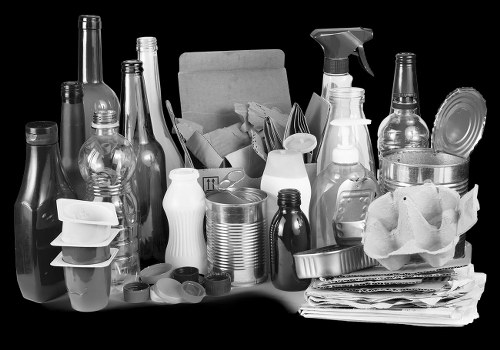
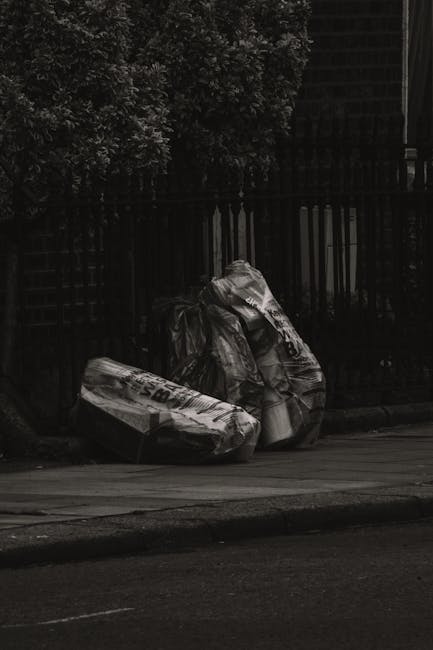
Business waste removal in Hackney needs to be practical, well organised and suited to the premises being cleared. Our service is set up to help workplaces manage mixed commercial rubbish, bulky items and recurring waste streams without turning collection into a disruption. We handle a wide range of materials commonly produced by offices, shops, studios, workshops and managed properties, with an approach that keeps disposal straightforward and the site tidy.
We work with customers who need a one-off clearance as well as those looking for a repeat arrangement for ongoing waste. That can include general rubbish, unwanted office contents, old fixtures, broken items and other non-hazardous material that has built up over time. If you are comparing options, clear scope and sensible scheduling matter as much as the collection itself, especially where access is limited or trading hours need to be respected.
For a quotation, it helps to outline the type of waste, how much there is and whether anything needs special handling. Simple details first are usually enough to begin, and a short description can avoid wasted time later on. You can request a quote, or keep reading to see how the main service is typically arranged for local businesses in Hackney.
Commercial waste collections arranged around your premises
Our commercial collections are designed for business sites where waste may be spread across several rooms, storage spaces or access points. Rather than treating every job as the same, we look at the layout and the material involved so the collection can be planned around what is actually there. That is useful for shared buildings, back-of-house areas and workplaces that want the rubbish removed cleanly without extra handling. It also keeps the job focused on the items that need to go, rather than on unnecessary disruption.
Typical business waste removal can cover bagged rubbish, packaging, dismantled items and old stock or equipment that is no longer required. In many cases, the most efficient plan is to separate anything reusable, recyclable and disposable before the collection begins. If you are preparing a site, keep access routes open and make sure the waste is gathered in a safe place. Our pricing and quotes page is useful if you want a better idea of how a quotation can be put together from the waste type and collection size.
Useful points for a quotation:
- what kind of business waste needs removing
- whether items are loose, bagged or already stacked
- any access limits, stairs or loading restrictions
- the preferred timing for collection
- if there are items that need separate handling
Office waste and workplace clearances
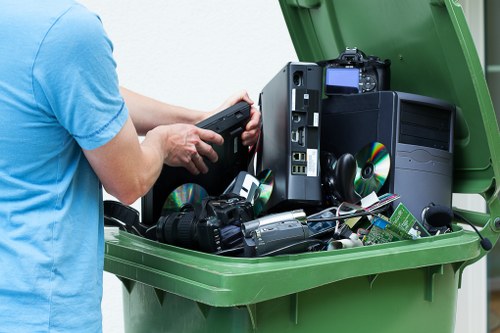
Office waste removal often involves more than simple rubbish collection. Desks, chairs, shelving, filing units and outdated office equipment can all need to be taken out together, and each item can affect how the clearance is handled. We can remove unwanted workplace contents in a way that keeps the room usable and reduces the risk of clutter spreading into shared areas. Where needed, items can be gathered from storage rooms, meeting spaces or reception areas before loading.
For offices, timing matters because collections may need to fit around staff, visitors and building management rules. It is helpful to identify any heavy furniture, fragile office items or electrical equipment in advance so the removal can be planned sensibly. If a larger clearance is required, the work can be organised in stages rather than forcing everything into one awkward visit. See the office clearance service for a clearer picture of how workplace items can be handled.
For an office move, refit or downsizing project, the main aim is usually to free up the space safely and leave the area ready for its next use. That may mean clearing individual rooms, removing obsolete fittings or taking away surplus items after an internal reorganisation. If you would like to talk through the materials involved, you can request a quotation once the basic details are ready.
Furniture and bulky item disposal for business premises
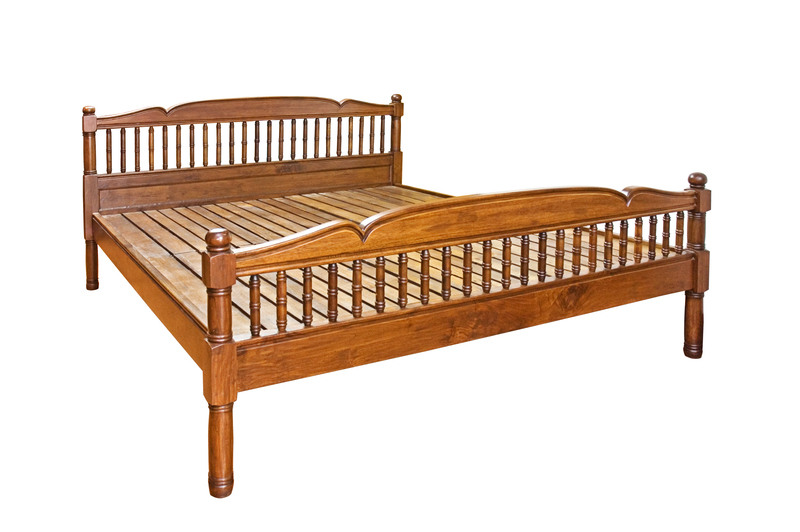
Many commercial clearances involve bulky furniture rather than bags of loose rubbish. Tables, cabinets, shelving, reception furniture and mixed storage items can take more effort to move, especially in tight corridors or upper-floor premises. Our service can help remove these larger items without leaving them to block working areas. Where pieces are dismantled already, the collection can usually be kept efficient; where they are still assembled, careful lifting and loading become more important.
Furniture disposal also needs to take account of condition, material type and how much is being cleared together. Some businesses want only one or two items removed, while others need a fuller clearance after a closure or layout change. Related items such as sofas or soft seating may also need specific handling. Our furniture disposal page gives a more direct route if the main problem is old office or commercial furniture that no longer has a place on site.
When bulky items are grouped well before collection, the job is usually simpler to manage, but that does not mean every piece has to be moved by the customer beforehand. A clear note about stairs, lifts, narrow entrances or loading areas is often enough. If the furniture is mixed with other waste, we can still look at the clearance as a single commercial collection and work from there.
Builders waste and trade rubbish from commercial projects
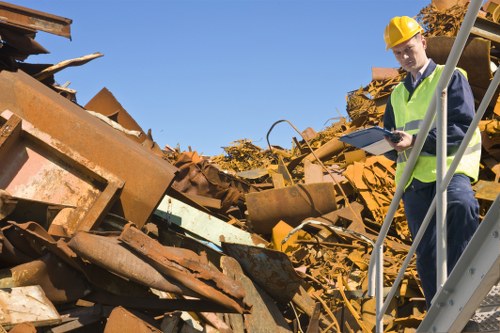
Business waste removal also covers trade rubbish from small works and refurbishment projects. Builders waste can include offcuts, broken fixtures, packaging, old fittings and debris left after alterations or repairs. For commercial customers, the key issue is usually keeping the site clear enough for the next stage of work. That is why a well-planned removal matters: it helps reduce obstruction and makes it easier to move between work zones without clutter building up.
Trade waste can vary a great deal from one job to another. Some clearances involve mostly light packaging and removed fixtures, while others include heavier mixed material and awkward items that need more careful loading. If you are dealing with a refurbishment, a strip-out or a phased fit-out, it is worth separating what is staying from what is leaving. Builders waste clearance is the most relevant page if your collection is connected to works rather than routine office rubbish.
For this kind of job, we focus on the waste itself rather than the project being done around it. That means the service is suited to businesses that want cleared materials removed promptly and sensibly, without turning the site into a storage area for unwanted debris. Where practical, recyclable material can be separated from general rubbish so disposal is more orderly.
About Hackney
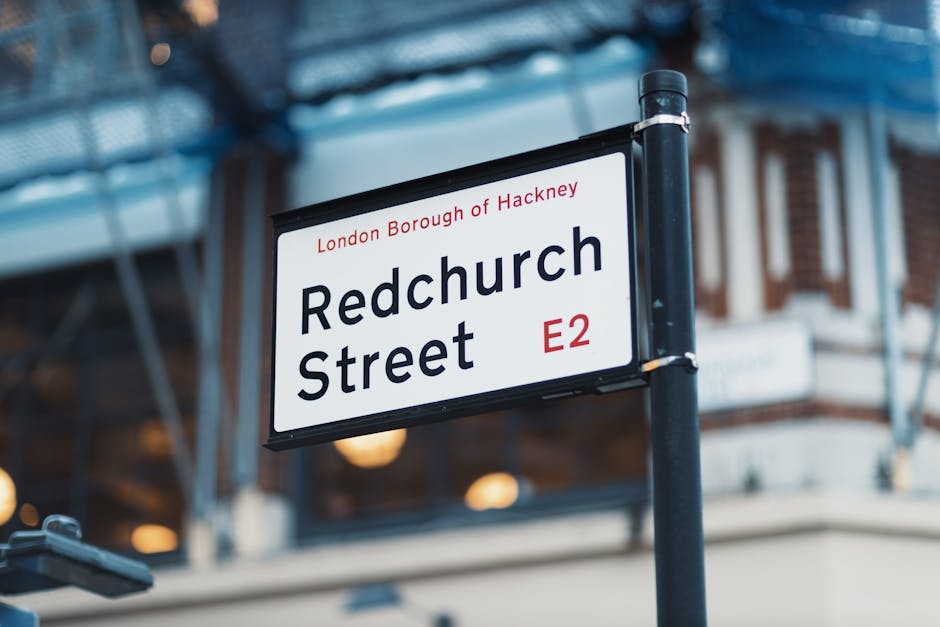
Hackney is a large and varied part of east London whose identity has been shaped by centuries of settlement, trade and reinvention. The modern borough covers a mix of well-known districts, including Hackney Central, Dalston, Hoxton, Shoreditch and Stoke Newington, each with its own character while still linking into the wider urban fabric of inner London. The area has long been associated with dense housing, industry and later creative and commercial uses, and that layering is still visible in its streets today. Victorian and Edwardian terraces sit beside post-war estates, converted warehouses and newer apartment developments, producing a built environment that feels tightly packed but highly mixed. London Fields and Victoria Park are among the best-known open spaces nearby, while the Regent's Canal and associated waterways add quieter linear routes through parts of the borough. The canal’s presence reflects Hackney’s industrial past, when water transport mattered to goods movement and manufacturing. Religious buildings, former workshops and market streets also reveal earlier phases of growth, including the expansion that came with railway development in the nineteenth century. Cultural life has become a major part of Hackney’s identity, with music venues, galleries, independent shops and food markets contributing to a lively street scene. Broadway Market, Columbia Road Flower Market just to the south-east edge of the wider area, and the many smaller high streets all help give the district a strong public life. Even so, the borough retains a sense of local neighbourhoods rather than a single uniform centre, which is one reason its architecture and atmosphere can change so sharply from one street to the next.
Recycling, sorting and responsible disposal
Commercial rubbish is not always best handled as one mixed load, especially when a business wants to keep disposal organised. Sorting can make a practical difference to what is loaded, what is sent for reuse and what is kept separate for specialist handling. Items such as cardboard, certain fixtures, office furniture and some metal components may be dealt with differently depending on condition and material. A straightforward collection can still include that kind of sorting where it is useful and appropriate.
Responsibility also matters when customers are deciding how to deal with ongoing waste. Many businesses prefer a removal service that can take mixed items away in a single visit while still paying attention to what can be separated. That can be a better fit than letting several minor waste streams accumulate. Our recycling and sustainability page is a helpful next step if you want to understand the broader approach to disposal and material handling.
Where there are reusable items, recyclable materials or general rubbish in the same area, it helps to group them clearly before collection. This keeps the job more controlled and can make it easier to decide how the waste should be handled once it is loaded. If you are not sure which items belong together, a quick written summary can be enough to start.
Home-based businesses and mixed property clearances

Not every business waste removal job starts in a large commercial unit. Some customers run their operations from converted flats, small studios, shared workspaces or houses used partly for business purposes. In those settings, the waste may include a mixture of office items, packaging, old display materials and general household clutter from the same premises. The service still needs to be handled carefully so that access, neighbours and shared entrances are all taken into account.
Mixed property clearances often benefit from a calm, item-by-item approach. For example, a small office run from home may need desk furniture removed alongside stock boxes or broken equipment, while a studio space may have accumulated both packaging and larger fittings. If you are dealing with that sort of combined clearance, it can be useful to mention which rooms or zones are involved. Home clearance is relevant where the business waste is mixed with domestic items and needs a broader clear-out.
In cases like this, the practical decision is not whether the waste is commercial or domestic in the abstract, but how the items are grouped on site and what needs to be removed together. That is why a clear description of the contents helps more than a vague estimate. If there are fragile, heavy or awkward items, those details can be noted before the collection is arranged.
Special items, larger objects and separate handling
Some business waste calls for more specific handling than ordinary mixed rubbish. Large white goods, old storage equipment, broken furniture and other awkward pieces can require more care during removal, particularly where access is narrow or shared. We can help with collections that include a few such items alongside the rest of the waste, so long as the material is suitable for the service and is described clearly in advance. The goal is to keep the process orderly rather than rushed.
Where specialist handling is involved, the most useful preparation is usually to identify the items by type rather than by guesswork. A note that something is heavy, fragile, electrical or difficult to move can make a real difference to how the collection is organised. Fridge and appliance removal is a more focused option if your business has an old appliance or similar equipment to dispose of separately.
Some items also need a decision about whether they can go with the rest of the waste or whether they should be placed in a distinct load. That is especially true when a clear-out includes both furniture and operational equipment. In commercial settings, a sensible plan is often better than trying to force everything into one category, because it keeps the collection predictable and easier to manage.
Preparing your quotation and collection

If you are ready to ask for a quotation, keep the description concise but specific. The most useful information is usually what needs removing, how much there is and how accessible the items are. If you know whether the waste is bagged, loose, stacked or still assembled, mention that too. That gives a better starting point than a general request and helps avoid back-and-forth later on.
For many business customers, the quotation stage is also the point where timing and access are clarified. You may want the collection arranged around opening hours, loading rules or shared-building arrangements, and it is sensible to mention any of those constraints early. Contact us to request a quotation if you would like to go ahead, or use plain text to outline the waste and ask for the next available collection details.
Once the main facts are clear, the rest is usually about keeping the work simple: remove what is agreed, leave the area tidy and make sure the waste is handled in line with the plan discussed. That final clarity is often what makes a commercial clearance feel well managed rather than disruptive, especially when the premises still need to keep operating.