Stoke Newington garden waste and rubbish removal guide
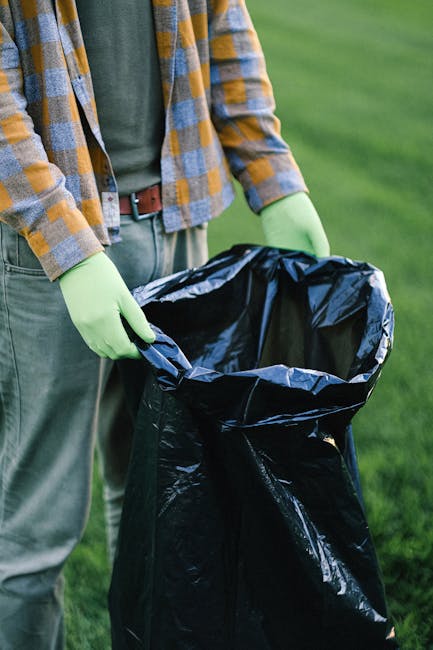
If you have a pile of hedge trimmings, broken plant pots, old fencing, or a mixed heap of garden clutter sitting out the back, you are not alone. In Stoke Newington, outdoor spaces can be lovely but a bit cramped, and that means garden waste and rubbish removal can turn into a small project very quickly. This Stoke Newington garden waste and rubbish removal guide breaks down what counts as garden waste, how removal usually works, what to avoid, and how to choose the simplest route when the pile starts growing by the day.
Whether you are clearing a tiny patio, tidying a shared rear garden, or dealing with a bigger seasonal clean-up after a long weekend of pruning, the aim is the same: get it sorted without making extra mess, extra cost, or extra stress. Let's face it, nobody wants bags of damp cuttings taking over the path for another week.
- Why it matters
- How it works
- Key benefits
- Who needs this
- Step-by-step guidance
- Expert tips
- Common mistakes
- Tools and resources
- Compliance and best practice
- Comparison of options
- Real-world example
- Practical checklist
- Conclusion
- Frequently asked questions
Why Stoke Newington garden waste and rubbish removal guide Matters
Garden clear-outs feel simple until they are not. A few branches become several bin bags. Wet soil makes everything heavier. Old timber, plastic edging, and rusted bits of trellis get mixed in with green waste. Suddenly you are dealing with more than "just a bit of trimming".
In Stoke Newington, space is often the main constraint. Narrow side access, shared entrances, basement steps, and limited storage all make it harder to leave waste lying around. That matters because a cluttered garden is not just untidy; it can attract pests, create trip hazards, and make the area unusable. If you are trying to prepare a home for sale, let a tenant move out, or simply enjoy your outdoor space again, removal becomes part of the job, not an afterthought.
There is also the practical side. Garden waste is not all treated the same. Pure green waste is usually much easier to handle than a mixed load with rubble, soil, old furniture, or paint tins. Knowing the difference helps you avoid delays and choose the right disposal route the first time.
Expert summary: The cleanest garden removals are the ones planned in small stages: sort the material, separate anything risky or bulky, and choose a removal method that matches both the waste type and access at the property.
How Stoke Newington garden waste and rubbish removal guide Works
At a basic level, garden rubbish removal is about collecting, separating, loading, and disposing of outdoor waste responsibly. In practice, it usually starts with a quick look at what is actually there. A modest pile of cuttings is very different from a full garden clearance with branches, broken sheds, fencing, bags of soil, and a few unwanted household items hiding in the mix.
The process often follows a simple pattern:
- Assess the waste: identify green waste, general rubbish, bulky items, and anything that may need special handling.
- Separate what can be recycled: branches, grass cuttings, leaves, and some untreated wood are often easier to divert from general waste.
- Prepare access: clear a route through the side return, hallway, or garden path so waste can be moved safely.
- Load efficiently: heavy items like soil and broken slabs usually go in first, with lighter material layered on top where appropriate.
- Dispose properly: waste should be taken to an authorised facility or handled through a compliant removal service.
For many households, the easiest route is to book a collection rather than hiring a skip. That is especially true if you do not want a skip sitting outside for days, or if access on your street is awkward. If you are comparing options, it can help to look at garden clearance alongside broader waste removal support, because sometimes the garden pile is only part of a bigger tidy-up.
And yes, the "we'll just do it ourselves in one afternoon" plan can be charmingly optimistic. Until the rain starts, the bags split, and the wheelbarrow meets that one stupidly heavy pot. Been there, regrettably.
Key Benefits and Practical Advantages
The obvious benefit is getting rid of clutter. But the real value is in how a well-handled removal changes the whole feel of a property. You can walk through the garden properly again. Children and pets have fewer hazards around. The space feels bigger, lighter, and easier to use.
- Faster turnaround: A planned collection is usually quicker than managing several tip runs.
- Less physical strain: No repeated lifting of damp branches, soil bags, or broken timber.
- Cleaner presentation: Helpful if you are preparing for photos, viewings, or a move.
- Better sorting: Green waste, wood, metal, and mixed rubbish can be handled more appropriately.
- Reduced nuisance: No lingering piles of waste attracting insects or blocking access.
- Smarter use of space: Particularly useful in compact Stoke Newington gardens where every square metre matters.
There is also a quieter benefit people do not always mention: once the waste is gone, you can see the garden properly again. That visual reset helps you decide what to plant, repair, or redesign next. Sometimes all you needed was to see the bones of the space.
Who This Is For and When It Makes Sense
This guide is for anyone in Stoke Newington who is looking at a garden that has drifted from "a little untidy" to "right, we need to deal with this". It suits homeowners, tenants, landlords, letting agents, and small businesses with outdoor areas.
It makes sense if you are dealing with:
- regular hedge trimmings and grass cuttings after maintenance
- overgrown borders and seasonal pruning waste
- broken planters, dead plants, and old compost bags
- fencing offcuts, timber, or a dismantled shed
- mixed rubbish left behind after a garden refresh
- soil, turf, or rubble from landscaping work
It also makes sense if access is difficult. Some properties have gardens at the back with tight hallways, shared stairwells, or awkward entry points. In those cases, a careful collection plan matters more than whether the load is big or small.
For bigger jobs, the garden work may overlap with a wider property clean-up. If that sounds familiar, a combined approach with home clearance or even house clearance can be more efficient than tackling each part separately.
Step-by-Step Guidance
If you want the process to feel manageable, do it in stages. A lot of stress disappears once the job stops feeling like one huge mound of "stuff".
1. Walk the garden and sort the waste
Start by separating green waste from general rubbish. Green waste includes grass, leaves, hedge cuttings, plant stems, and similar organic material. General rubbish might include broken plastic pots, packaging, old hoses, and damaged outdoor items. Mixed loads are normal, but it helps to know what you have.
2. Pull out bulky or awkward items
Identify anything that needs special handling: heavy timber, broken furniture, sections of fence, or soil-filled bags. If you have old outdoor seating or worn seating cushions, it may be worth linking that with furniture disposal rather than forcing everything into one generic pile.
3. Keep hazardous items separate
Paint tins, pesticides, oils, and other chemicals should not be mixed in with ordinary garden waste. If you are unsure about a product, set it aside rather than guessing. That small pause can save a lot of bother later.
4. Make access easier before collection
Move bins, bikes, plant stands, and loose items out of the path. If the team or loader has to keep stopping and shifting things around, the job takes longer and the risk of damage goes up. A clear route makes a bigger difference than people think.
5. Load in the right order
Heavy items such as soil, turf, paving offcuts, or damp branches should be handled carefully. Soil is especially deceptive. It looks harmless in a pile, then suddenly feels like a sack of wet cement. If the job involves landscaping debris, a service that also handles builders waste clearance may be a better fit.
6. Check what happens after collection
Ask how the waste is sorted and where reusable or recyclable material goes. Good disposal practice matters. It is not just about removal; it is about taking the right stuff to the right place.
Expert Tips for Better Results
A few small habits make garden waste removal easier, cheaper, and less messy. Nothing revolutionary. Just the kind of practical stuff that saves you from swearing at a snapped bag handle at 7:30 in the evening.
- Dry out green waste where possible: Fresh cuttings are heavier. If you can leave them to settle briefly, loading is easier.
- Cut long branches down: Shorter lengths stack better and reduce awkward overhang.
- Use sturdy bags or bundles: Weak sacks split quickly, especially with thorny cuttings or wet waste.
- Keep reusable items aside: Pots, tools, or timber that could be reused should not be mixed into disposal piles by default.
- Plan around weather: A wet morning can double the weight of a job and turn paths into a slippy mess.
- Think in zones: clear one corner at a time, then move on. It feels slower at first, but it is often more efficient.
One useful little trick: if you are not sure whether something belongs with green waste, mixed rubbish, or specialist disposal, stop and label it mentally before it gets lost in the pile. That tiny pause often prevents the whole collection from becoming a muddle.
Common Mistakes to Avoid
Most garden removal problems are avoidable. They usually come from rushing, overfilling, or assuming everything outside can go in one load. That is understandable, but it is where jobs become expensive or delayed.
- Mixing everything together: soil, branches, plastics, and old household items should not all be treated the same.
- Overloading bags: too-heavy sacks tear and are awkward to move safely.
- Leaving hazardous materials in the pile: paint, chemicals, and treated waste need extra care.
- Ignoring access: a narrow gate or steep steps can make a simple job much harder if not planned for.
- Forgetting about hidden waste: under hedges and behind sheds, people often find more rubbish than they expected.
- Choosing the wrong disposal method: a small green waste job and a full garden renovation do not need the same approach.
Another common slip is underestimating how much the waste weighs once it is bagged. A half-full bag of damp soil can be a proper workout. If you have ever tried to shift five of them in a row, you already know the feeling. Not fun, really.
Tools, Resources and Recommendations
You do not need a shed full of specialist kit to handle a garden clear-out, but the right basics make everything safer and neater.
| Tool or resource | Best use | Why it helps |
|---|---|---|
| Heavy-duty sacks | Leaves, cuttings, light mixed waste | Reduces split bags and makes handling easier |
| Pruning shears and loppers | Branches and overgrowth | Shortens material for faster loading |
| Gloves with grip | General clearing and sorting | Helps with thorns, wet debris, and rough timber |
| Wheelbarrow or strong tub | Moving soil and heavier items | Reduces repeated carrying by hand |
| Tarpaulin | Temporary staging area | Helps keep the ground cleaner and the waste grouped |
| Removal service | Large, mixed, or awkward clearances | Useful where access, volume, or timing is the issue |
If you are planning a bigger clear-out, it is worth checking service pages that explain disposal boundaries and recycling expectations, such as recycling and sustainability and the guide to what can go in a skip. Even if you do not hire a skip, the list of acceptable materials is a good reference point for what is normally okay to include in a standard load.
For anyone comparing collection options, the pricing page is also worth a look because the main cost drivers are usually volume, weight, access, and whether the waste is mixed or specialist. The page on pricing and quotes can help set expectations before you book.
Law, Compliance, Standards, or Best Practice
You do not need to become a waste-law expert to clear a garden, but you do need to be sensible. In the UK, waste should be handled responsibly, and it is wise to use a provider that can explain where the waste goes and how it is managed. If a service cannot answer simple questions about disposal or recycling, that is a red flag.
For garden waste, the main best-practice points are straightforward:
- keep hazardous items separate from ordinary garden waste
- do not mix unsuitable materials into a green waste load
- use safe manual handling for heavy or awkward items
- work with a service that operates with appropriate insurance and safety procedures
- check that the disposal route is lawful and controlled
If your project includes anything potentially risky, such as chemicals, sharp metal, or contaminated materials, handle it more carefully and treat it as a separate decision. The same applies if there is broken glass tucked into soil or planters. Tiny fragments are easy to miss and unpleasant to discover the hard way.
It can also be useful to review the provider's own standards, including health and safety policy, insurance and safety, and payment and security. Those pages do not remove the need for your own judgement, but they do give a clearer sense of professionalism.
Options, Methods, or Comparison Table
There are several ways to deal with garden waste in Stoke Newington, and the best choice depends on volume, time, and access. A quick comparison helps.
| Method | Best for | Pros | Watch-outs |
|---|---|---|---|
| DIY bagging and trips | Very small amounts of light waste | Flexible, simple, low upfront cost | Time-consuming, tiring, awkward for soil or bulky items |
| Skip hire | Longer projects with space for a skip | Good for ongoing clear-outs, useful for mixed waste | Requires space and careful loading; not ideal for tight access |
| On-site collection | Quick removal of mixed garden rubbish | Fast, efficient, less manual labour for you | Needs accurate volume estimate and clear access |
| Combined property clearance | Garden waste plus indoor clutter | Efficient for whole-property jobs | May be more involved than a simple garden-only collection |
If your outdoor waste is part of a wider clear-out, a broader service can make more sense. For example, a move-out or refurbishment may involve the garden as well as storage areas, so pairing the job with garage clearance or loft clearance can save time overall. The right answer is rarely "the biggest option"; it is the option that matches the actual mess.
Case Study or Real-World Example
A fairly typical Stoke Newington scenario goes like this. A homeowner decides to sort out a neglected rear garden after months of growth. At first glance it seems like simple pruning: a few branches, some weeds, and a broken planter. But once the work starts, more appears. There are old bags of compost, a cracked bench, sections of timber, a couple of plant pots full of soggy soil, and a stack of mixed rubbish from previous jobs.
Instead of trying to squeeze it all into one last-minute clear-up, the owner sorts the waste into rough groups: green waste, timber, bulky items, and anything questionable. That makes the collection cleaner from the start. Access is checked, the garden path is cleared, and the waste is stacked in a way that does not block the back door. The result is a much quicker pickup and far less disruption inside the property.
What changed the outcome was not luck. It was simply good sorting and realistic expectations. The garden looked better the same day, and the owner could finally see what needed repairing next. That is usually the moment when the job starts feeling worthwhile.
Practical Checklist
Use this checklist before booking or starting the job. It keeps things neat, and a little less chaotic.
- Identify what is green waste and what is general rubbish
- Separate any hazardous or uncertain materials
- Break down branches, timber, or bulky items where safe to do so
- Check access points, steps, gates, and narrow paths
- Clear a staging area for the waste
- Decide whether the job is garden-only or part of a larger clearance
- Estimate the amount of waste roughly, not perfectly
- Keep pets and children away from the work area
- Wear proper gloves and sturdy footwear
- Confirm disposal and recycling expectations before collection
If you tick all ten, the job usually goes much smoother. Not glamorous, but it works.
Get a free quote today and see how much you can save.
Conclusion
Garden waste and rubbish removal in Stoke Newington does not need to become a headache. Once you understand what you are dealing with, separate the waste properly, and choose the right removal method, the whole process becomes much more manageable. That is especially true in homes with tight access, limited storage, or mixed waste from several jobs at once.
The big lesson is simple: a clean garden starts with a clean plan. Handle the heavy or hazardous bits carefully, keep the green waste separate where you can, and do not underestimate how much easier life feels once the clutter has gone. A few smart decisions at the start save a lot of effort later, and honestly, that is the kind of win worth having.
For bigger clearances or a more seamless booking experience, you can also explore book online when you are ready to take the next step.
Frequently Asked Questions
What counts as garden waste in a typical Stoke Newington clearance?
Garden waste usually includes grass cuttings, leaves, hedge trimmings, branches, weeds, plants, and similar organic material. Some untreated wood may also be accepted depending on how the load is handled. If it is mixed with plastics, broken furniture, or household rubbish, it stops being a simple green waste job.
Can I put soil and turf in the same load as branches?
Often yes, but soil and turf are much heavier than cuttings, so they need to be planned for carefully. A mixed load is common, though the weight and disposal route can change the cost or the way the job is handled. Soil is the one that tends to surprise people most.
Do I need a skip for a small garden clean-up?
Not always. For small or medium jobs, a direct collection may be more practical, especially if access is tight or you do not want a skip outside for several days. A skip can make sense for ongoing work, but it is not automatically the best choice.
What should I do with broken plant pots and garden furniture?
Broken pots are usually classed as general rubbish unless they are being recycled separately. Garden furniture may need a different route, especially if it is bulky or mixed material. If you also have indoor items to clear, services such as furniture clearance can be relevant too.
How do I know if something is hazardous?
If it is a chemical, pesticide, oil, pressurised container, or anything you would not want sitting open in a bag, treat it as potentially hazardous until confirmed otherwise. When in doubt, isolate it. That cautious approach is much better than mixing it into an ordinary pile.
Is garden waste recycled?
Often it can be, especially if it is kept separate and free from contamination. Green waste and some natural materials are usually easier to divert from general rubbish. That said, the exact handling depends on the condition of the load and the disposal route used.
How much notice do I need to give for garden rubbish removal?
It depends on the provider and the size of the job. Small clearances can sometimes be arranged quickly, while larger mixed jobs may need a bit more planning. The key is giving a realistic description of the waste rather than a vague "there's quite a bit".
What if I have garden waste plus other household clutter?
That is very common. In fact, lots of people discover the garden is only one part of the job. If you are clearing the whole property as well, combining the work with house clearance or home clearance can keep things simpler.
Are there any items I should never mix with garden waste?
Yes. Paint tins, chemicals, oils, electrical items, batteries, and contaminated materials should not be tossed into a normal garden load. Even if they are small, they can change how the whole pile must be handled. Better to set them aside and ask about the correct route.
What is the easiest way to prepare for collection day?
Sort the waste into rough categories, clear a path to the pickup point, and make sure bags or bundles are easy to move. If possible, keep heavier items together and lighter material separate. A bit of preparation makes the collection feel calmer and quicker.
Can I combine garden waste with skip hire materials?
You can, provided the materials are suitable for the skip and nothing restricted is included. It is always wise to check what can go in a skip before loading it. The page on what can go in a skip is a useful reference for that decision.
What is the most common mistake people make with garden rubbish removal?
Mixing everything together and underestimating the weight. Those two things cause more problems than anything else. Once you sort the waste properly and plan for access, the rest of the job becomes much easier than it first looked.